Sunday, September 1, 2019

September 2019

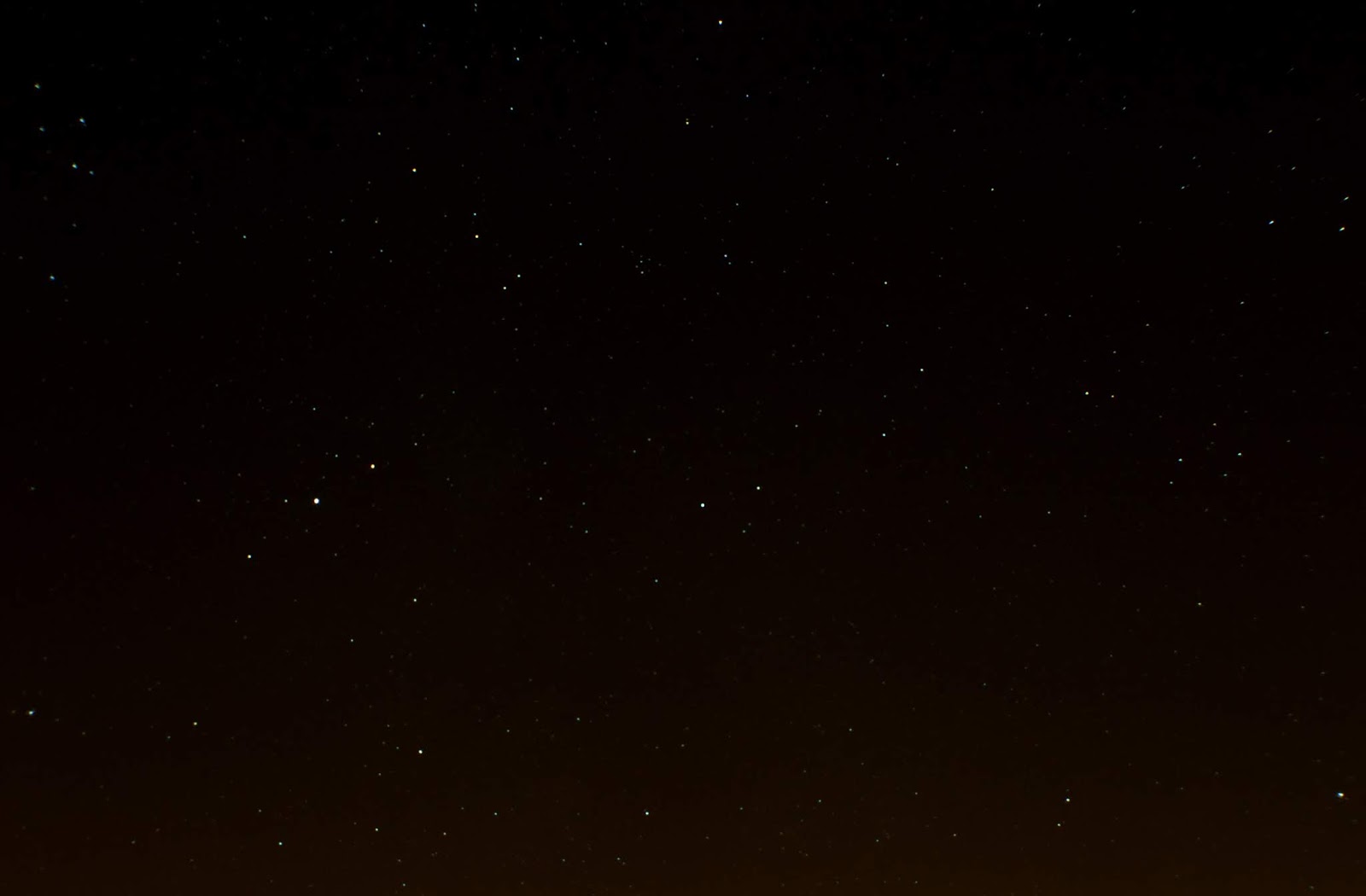
September 29th 2240 GMT Meteor Scan


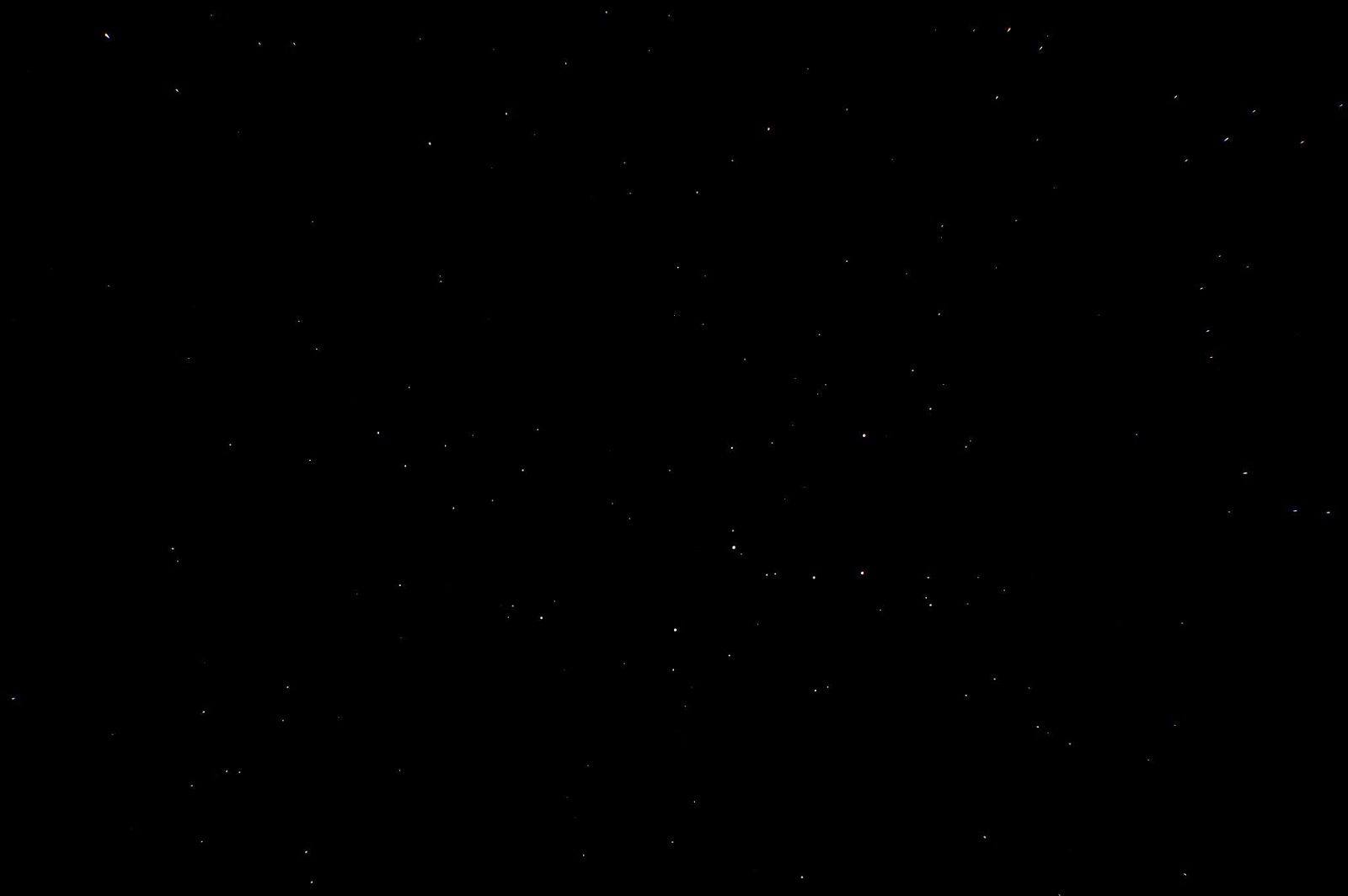
I had another go at catching meteors during an unexpectedly clear period. This time I aimed at Perseus, as it was fairly high up and I was expecting a higher meteor rate than in the west.

I did not catch any but processed the first 100 frames to reveal Perseus.


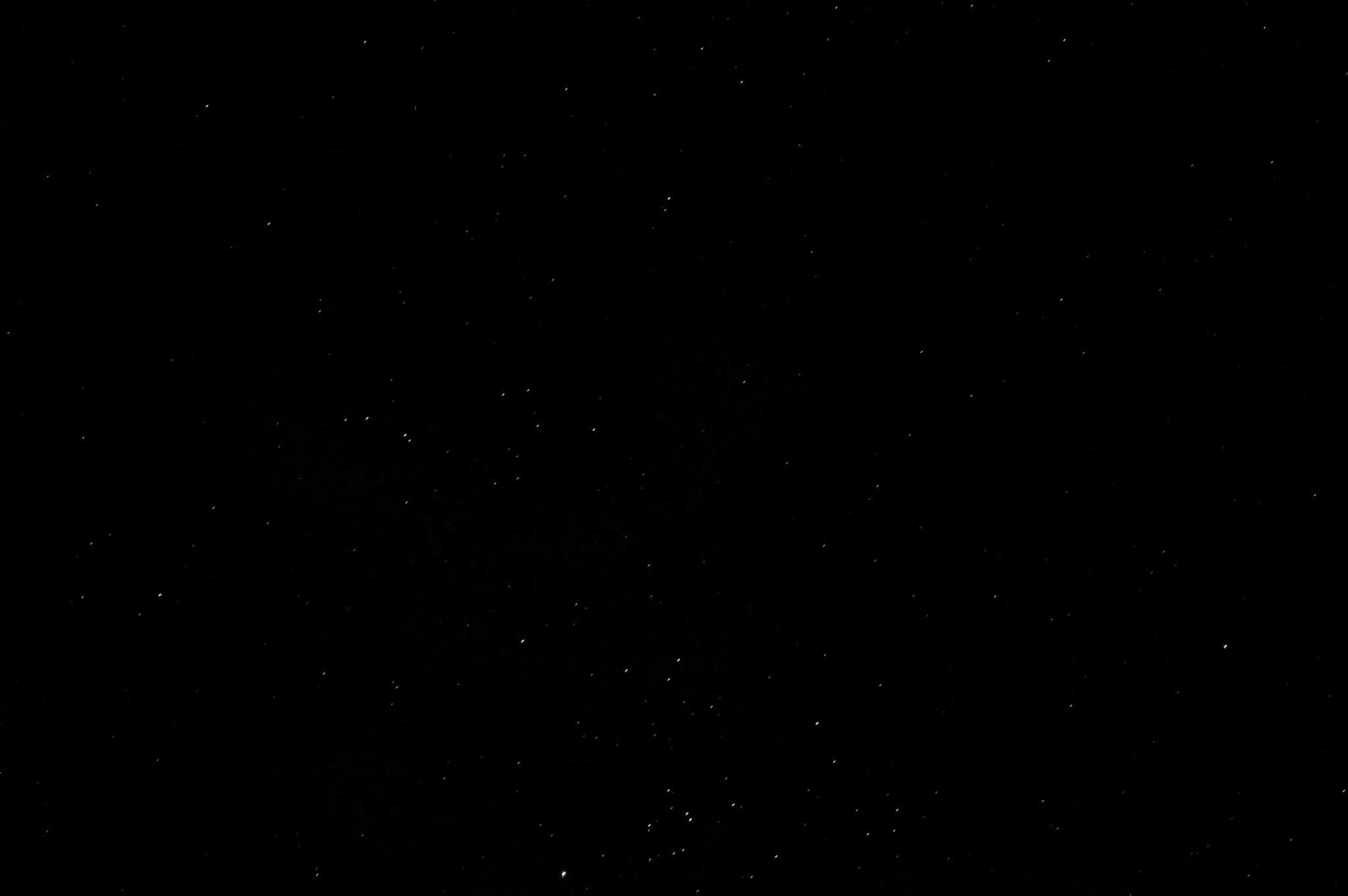
September 27th 2010 GMT Meteor Shoot


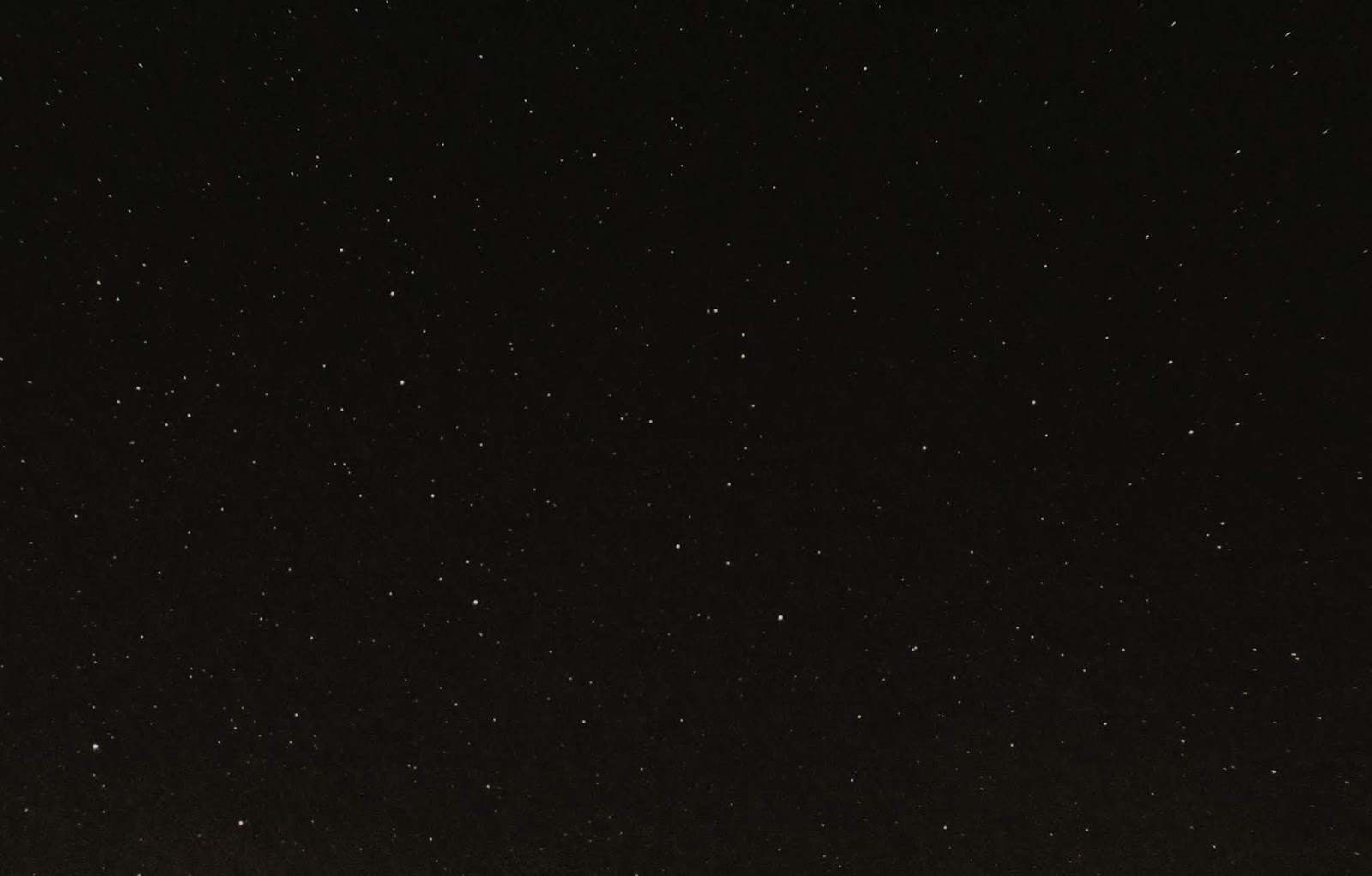
I repeated the meteor shoot from the night before but had to abandon it part-way through, due to rain. I aimed the camera higher in the sky and caught a meteor near Lyra.


I stacked 99 images of the area to catch Lyra, Sagitta and Vulpecula. Notice the famous Coathanger.


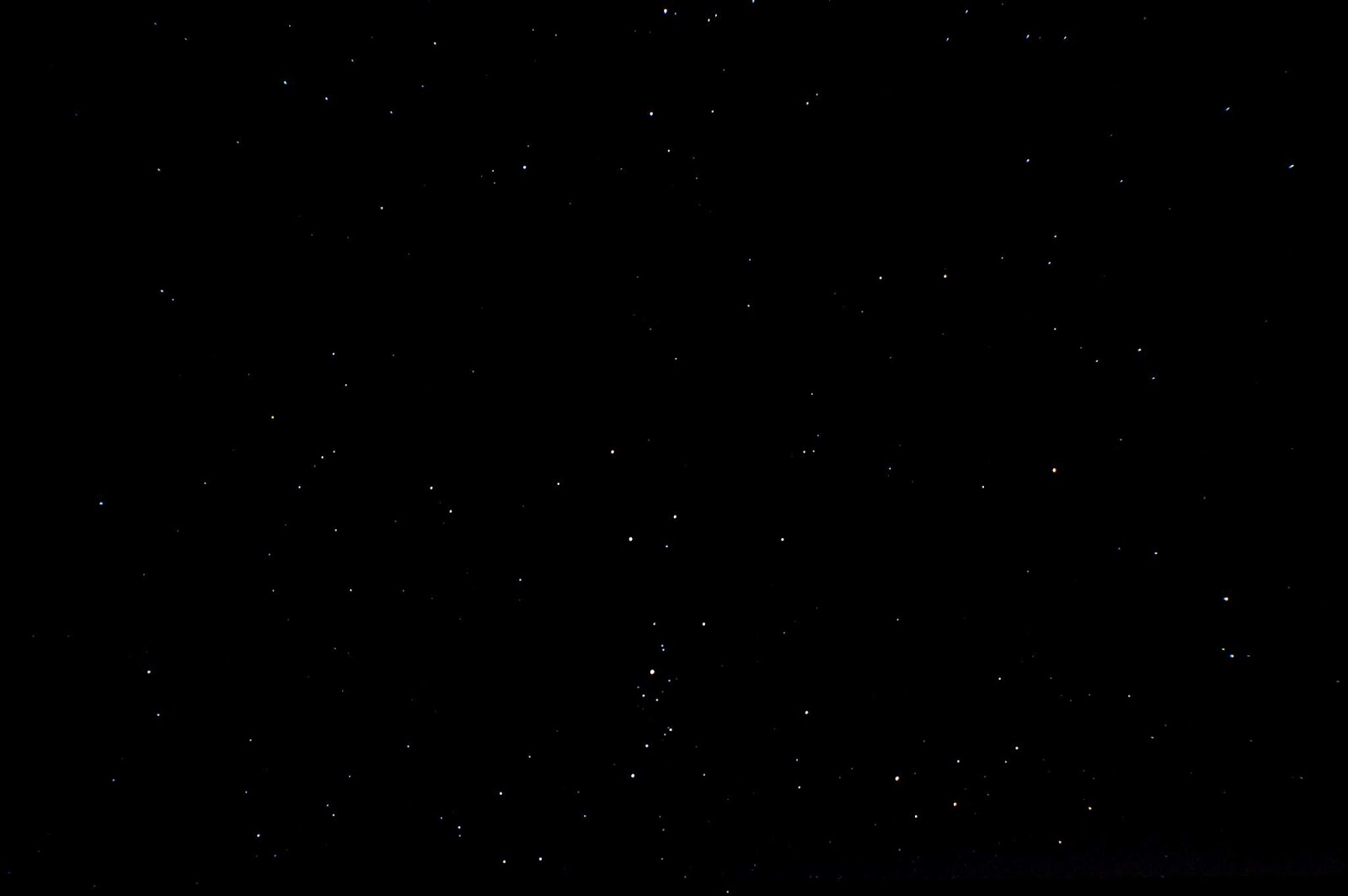
September 26th 1900 GMT Jupiter and meteor scan


I took some exposures of Jupiter at 300mm focal length, ISO6400 and 2 seconds exposure in an attempt to capture the Galilean moons.


I then changed to 16mm focal length, ISO6400 and 8 seconds exposure and took multiple images of the area around the Summer Triangle in an attempt to capture meteors.


Finally, I stacked 44 frames to obtain an image of Aquila, Delphinus and Sagitta.


September 21st 0850 GMT Moon


The Moon was high in the south west and was at first quarter phase.


September 20th 2240 GMT Moon


I took some frames of the Moon at 300mm focal length, ISO 100 and 1/250 second exposure.


September 20th 0650 Moon and Sun


I took some frames of the Moon at 300mm focal length, ISO 400 and 1/500 second exposure.


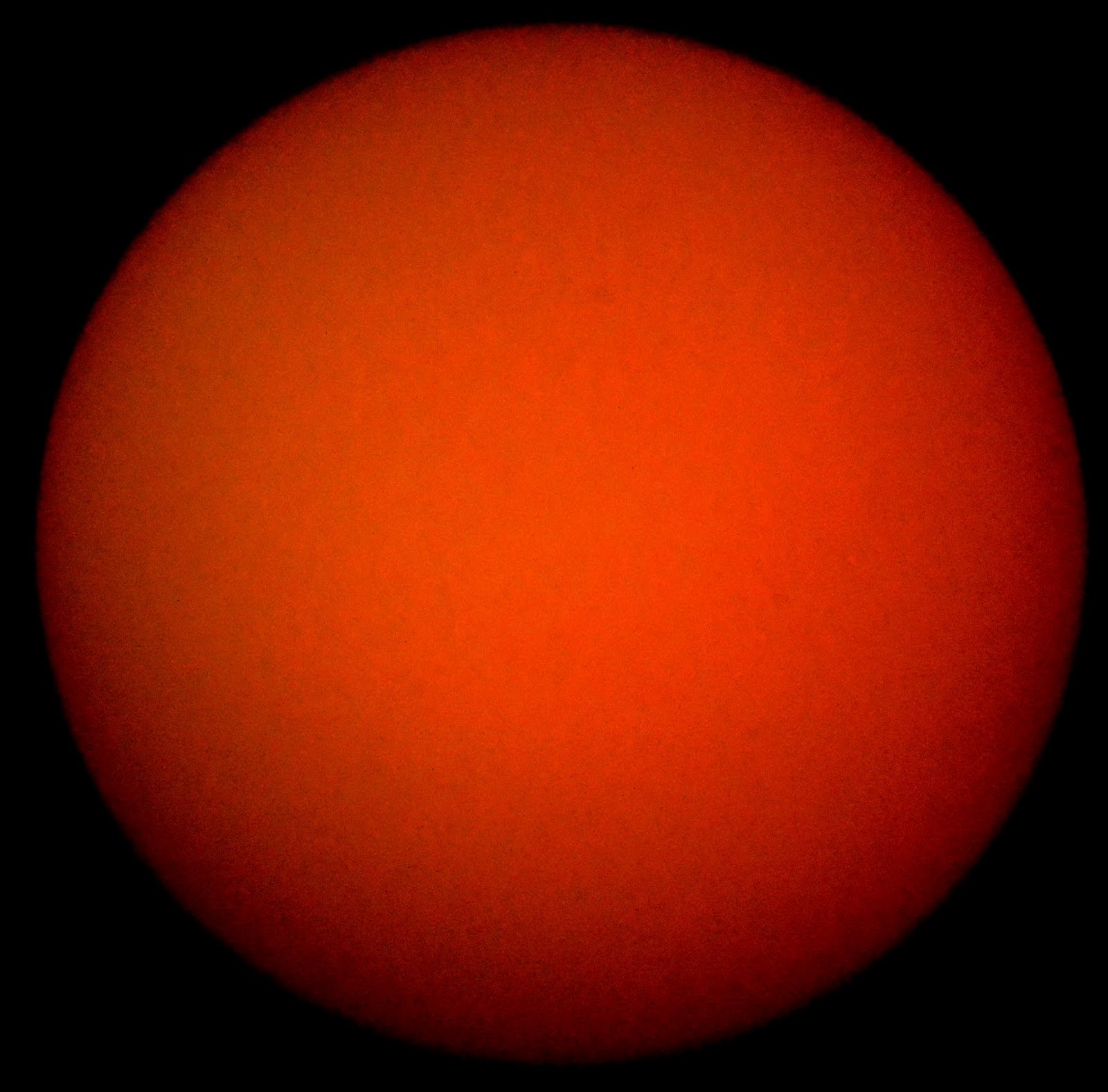
The Sun showed little detail, even in hydrogen alpha light.

September 19th 2205 Moon


I took some frames of the Moon at 300mm focal length, ISO 100 and 1/500 second exposure.


September 19th 1050 GMT The Sun


I repeated the solar shot from the day before.


September 19th 0705 GMT Morning Moon


Conditions were somewhat hazy but I decided to photograph the Moon with my DSLR at 300mm focal length, ISO400 and 1/500 second focal length.


September 18th 1145 GMT The Sun


The Big Bear images showed a sun very quiet in normal and hydrogen alpha light. However, it was clear outside, so could not resist having a pop with my Personal Solar Telescope and DSLR camera.

September 17th 2200 GMT Big Moon Shoot


The waning gibbous moon was clear of the rooftops and it was time for the mega moon shoot that I’d been planning for ages. Apart from little else being visible in the night sky, there were no Perseid or other major shower meteors to distract me.

I started off innocently enough with a few frames of the Moon with my DSLR at 300mm focal length, ISO 100 and 1/500 second exposure.


The next set of shots was with the Mak and Bresser Electronic Eyepiece. I hadn’t used it for a while and it showed! At one time, I thought I might not get any images at all. As the Moon was shimmering, I resisted the temptation to try a Barlow lens.


However, I used a 3x Barlow lens for my shots with my Mak and DSLR. The effective focal length was 4.62 metres, ISO 100 and 1/50 second focal length.


None of the webcam images overlapped much but some of the DSLR ones did. I stacked a few (already stacked!) images.


September 17th 0545 GMT Morning Moon


When I got up for work, the Moon was quite high in the west. I took some shots at 300mm focal length, ISO400 and 1/1000 second exposure.


September 15th 2220 GMT Moon

I had been checking the evening sky but the Moon was mostly covered by cloud. Rather later in the evening it cleared somewhat and I could see a hazy lunar disc and Vega. That was all, apart from the cloud. As I had an eventful day, I was tired and did not consider a telescopic shot would be any better than a DSLR only one. I took my usual approach of 300mm focal length, ISO 100 and 1/1000 second exposure and selected the best shot for processing.


September 14th 2000 GMT Moon and Planetary Moons


I finally managed to replace my intervalometer, which allowed me to take stable longer exposures with my DSLR and tripod. My targets were Jupiter’s and Saturn’s moons at 300mm focal length, ISO 6400 and 2 seconds exposure. I tried the same on Melotte 111 to test the setup, even though moonlight and thin cloud were awful conditions.

I did not get good focus on any of my Jupiter shots.


Same for Saturn but it appears that no moon was visible. I caught a satellite trail.


I could not get anything useful from the Melotte 20 frames.


I also snapped the Moon at 300mm focal length, ISO 100 and 1/1000 second focal length. I selected the best of 50 frames and it was, by far, the best snap of the day.


September 13th 2130 Moon


I wanted to do a proper shoot of the Harvest Moon but was late home from work and needed to be up early next day.


I just took a few frames at 300mm focal length, ISO 100 and 1/1000 second exposure.


September 13th 0955 GMT Sun


The Sun seemed to show some shading visually, so I took some frames in hydrogen alpha light with my PST.


September 11th 2120 GMT The Moon


The Moon was waxing gibbous and thin cloud was scattering moonlight. I took some frames with my DSLR at 300mm focal length, ISO 100 and 1/1000 second exposure.


September 8th 0200 GMT


There was a clear patch of sky around Taurus. I managed one frame of the Hyades at 70mm focal length, ISO 6400 and 8 seconds exposure and cloud moved in again.


September 7th 2230 GMT


I was hoping to catch the Moon again but it had disappeared behind a bank of cloud. I thought maybe a close-up of Cassiopeia. It clouded over while I fetched the camera! I took a few frames at 70mm focal length, ISO 6400 and 8 seconds exposure near Epsilon Pegasi, in the hope of catching M15 (the nearby globular cluster) before it clouded again.

Unfortunately, I think I missed it and could not recognise this part of Pegasus from my star atlas.


September 7th 1940 GMT


I repeated the Moon shot from the night before.


September 6th 1940 GMT


Jupiter and the Moon were close together in the sky. I took some shots with them both with my DSLR at 70mm focal length, ISO 6400 and 1/10 second exposure.


I then took the Moon alone at 300mm focal length, ISO100 and 1/500 second exposure.


I combined the two to get a composite.


September 6th 1645 GMT


I had a rare look at the Sun in hydrogen alpha light. After tuning my etalon on my PST, I could visually make out a small bump at the edge of the solar disc. I checked the Big Bear images and confirmed that a small prominence was there.


The big question was whether it would appear on the images. Experience suggested that prominences were more difficult to capture on my set-up but disc detail was usually better than what I could see visually. This proved to be the case.


September 4th 1930 GMT


I repeated the shot after sunset using 300mm focal length, ISO 100 and 1/500 second exposure.


September 4th 1830 GMT


There was some clear sky, for a change, I took some frames of the Moon at 300mm focal length, ISO 400 and 1/1000 second focal length.


September 1st 2110 GMT


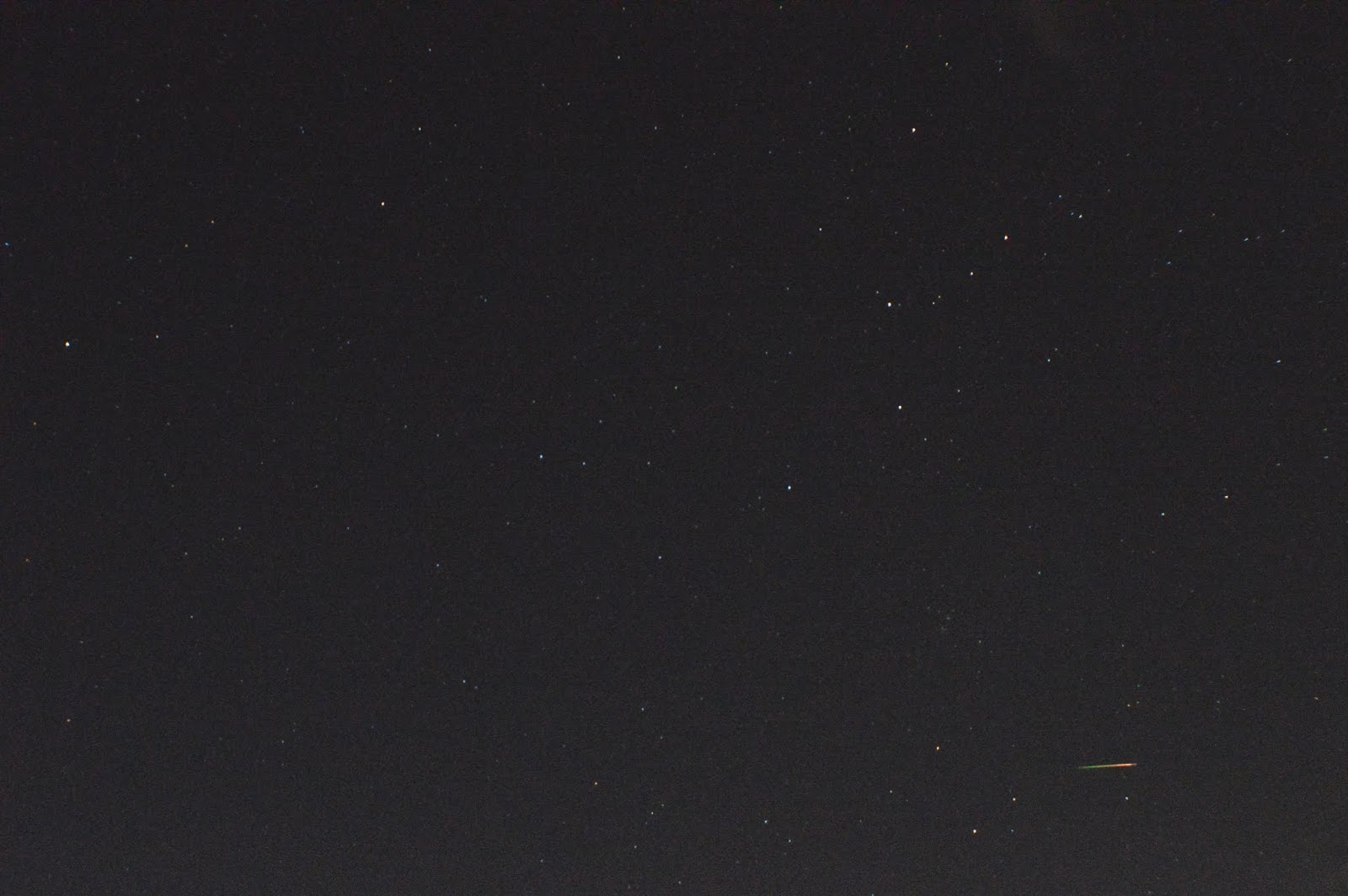
It was quite clear near the zenith and the Milky Way was clear. I did a photo-visual session, taking some constellation shots while binocular browsing.

I could see two moons of Jupiter, which was very low down and Saturn’s rings but not the gap between the rings and planet. The Wild Duck Cluster (M11) looked great, as usual but I could not see M26. In the east, Melotte 20 looked great, as did the Perseus Double Cluster. I could also make out M34, after a bit of searching. I could see the Andromeda Galaxy (M31) quite clearly and even made out the Pinwheel (M33). I was not able to find M15 for some reason.

Going overhead, I saw loads of background stars around Cygnus, catching Albireo in the process. I also saw Delta and Epsilon Lyrae, the globular clusters in Hercules, M13 and M92. I tried for M81 and M3 but without success. All-in-all in was not a bad session and it was nice to revisit some old friends.

My first set of exposures was of the Plough at 16mm focal length, ISO 1600 and 30 seconds exposure. Unfortunately, I did not capture the whole asterism.

I used the same settings for Cygnus.

One of the frames contained a meteor trail!


Here's the constellation, with Lyra.


Sunday, August 11, 2019

Relegation 2020

Well OK, everyone knows about the two Manchester clubs, Liverpool and the 3 big London clubs (Arsenal, Chelsea and Spurs), in no particular order. However, for those of us who support the other teams in the Premiership, the threat of relegation is very real. As a Southampton (Saints) fan, I have spent most of the last few seasons reading the league table from the bottom up.

The promoted teams

Most years one of two of the clubs coming up from the Championship go straight back down. Sometimes, I think the gulf between the Premiership and Championship is greater than that between League Two and the National League (formerly known as the Conference). Last season, Fulham tried to by their survival but failed miserably. By contrast, Cardiff strengthened their team the least and still went back down but finished higher than Fulham.

This year, Aston Villa spent the most and, I think they stand the best chance of survival because they have a large fan base, even through their years in the lower division. Football, being what it is, has proved better pundits than me wrong but yes, Villa should stay up. Should!

Sheffield United and Norwich have acquired some new players but would probably be happy to finish 17th and must be amongst the front runners for the drop.

The Usual Suspects

Yes, Southampton are in the mix and were not safe until a week before the end of the season. Yes, there are some very good players at the club but central defence and a proven goalscorer that plays more than a dozen games remain a constant worry. The club seems to be a magnet for strikers that are proven goalscorers but injury-prone. If certain players avoid the treatment table, a mid-table finish might be possible.

Newcastle have had a lot of off-field problems to add to their on-field ones. Many pundits have tipped them for the drop and, yes, I have included them in my list of teams to watch.

Crystal Palace have (so far) kept their best player but lost a key defender. Regulars in the bottom third of the table, along with Newcastle and Southampton, they are also vulnerable.

I tipped Brighton last season as a team that was too good to go down but possible outsiders for the drop. They nearly dropped. As their main goalscorer is a year older and more injury-prone, I now consider that they are bad enough to be in danger this season.

Dark Horses

Most years, a team that we consider too good to go down does go down or come uncomfortably close. Outside of the top 6 clubs, Everton and Wolves, the remaining 12 teams will feel relieved once they reach the "magic" 40 points which is considered  enough to avoid the drop. Having said that, West Ham once went down on 41 points and last season only 38 was enough. 

The first outside bet for relegation is Bournemouth. Eddie Howe has been brilliant in keeping them up and really deserves a chance at a top club. However, the club does not have the financial clout of most other teams in the Premiership and are an outside risk.

Burnley were in the relegation mix last year but I think they will do better this year, or will they? Like many teams in the bottom third, they lack a really good striker.

Whilst I expect Leicester to stay up, they have lost key players over the last 2 years and some of their best players are getting older. They should stay up but will probably do worse than they did last season.

Summary

Sorry Sheffield and Norwich fans but you are on my critically endangered list.

Much as I hate the idea, I think the 3rd relegation place will go to Southampton or Newcastle, so they are endangered.

Vulnerable are Aston Villa, Brighton and Crystal Palace.

Burnley, Leicester and Bournemouth will have poor seasons and any could finish in the bottom 6 but will probably be celebrating their end-of-season party in February.

Sunday, August 4, 2019

August 2019

August 26th 2225 GMT


I did a half-hour watch for Perseid meteors and took some constellation shots of the region hoping to catch one.


I saw one of about magnitude 2 travelling north east at 2243 GMT.

I caught a very short trail in this shot but it was definitely not a Perseid.


I combined 23 frames to obtain this shot of Cepheus.


I caught the constellation of Andromeda well but to remove the background glow, I lost the Andromeda Galaxy (M31).


August 24th 0000 GMT


I watched for Perseids for half an hour and took some photos of the area. I didn't think I caught any on camera but I saw four, three of which were Perseids. The brightest was a magnitude 1 sporadic. It was officially the last day of the shower but I was quite pleased with the ones I saw.

The first 3 frames stacked nicely for Perseus.


Frames 4 to 40 produced a nice Cassiopeia.


The final set of shots caught Cygnus nicely,


I finished with the Moon with my DSLR at 300mm focal length, ISO 100 and 1/200 second exposure.


August 23rd 2140 GMT


I looked in vain for a last minute Perseid. Conditions were rather poor, so I did not see any. I took some frames around Cassiopeia and Cygnus, just in case. They were ruined by poor focus and cloud but the first "sighter" showed Aquila, Delphinus and Sagitta.


April 23rd 1320 GMT


The Sun looked quiet, even in hydrogen alpha light but I took a few shots anyway.


August 20th 0400 GMT


It was dawn but the waning gibbous moon was high in the south west. I took some frames at 300mm focal length, ISO 100 and 1/400 second exposure.


August 14th 0115 GMT


Most of the sky was covered with cloud. I took some frames of the Moon at ISO 100, 300mm focal length and 1/1000 second exposure. Unfortunately, I could not extract anything useful from the frames.

August 13th 0100 GMT


Although I was well tired by this time, I went out for 20 minutes. It was much more clear and I aimed my cameras west of the radiant. I saw one bright meteor of about zero magnitude flash towards Taurus. I was feeling rather philosophical, wondering how many more times I would see the Perseid shower before I die. It was not just how many years I would live but also weather.

OK here's Perseus again. No meteors.


No meteors but the Konica Minolta produced the best Perseus shots.


August 13th 2300 GMT


Conditions had cleared but I still needed to move the cameras to catch what clear sky was available in the east and north east. I saw 7 Perseid meteors of which four were brighter than Jupiter with the brightest being about magnitude -6. Without having any evidence, that estimate equalled a sporadic meteor that I had seen in Dusseldorf in 2013. The bright ones came in quick succession between 2330 GMT and 2336 GMT.

A quick look through the camera images showed that I caught one fireball on camera and one about magnitude 1 that I did not spot visually.

An hour later, more cloud came in and I was feeling cold.

I created a photo from the first set of frames of Perseus.


I caught a Perseid near Cassiopeia.


When I moved to Ursa Minor, I did not catch any meteors but got one of my better shots of the constellation.


Similar for Cassiopeia.


Back to Perseus.


The space between Perseus and Cassiopeia contains  shower radiant.


I finished with no more meteors and Perseus.


I found a bright fireball on the images from the antique Konica Minolta.


August 12th 2100 GMT


I went out armed with my Nikon D3200 at my meteor detecting setting of 16mm focal length, ISO 6400 and 8 seconds exposure. I used my antique Konica Minolta DSLR at 18mm focal length, ISO 3200 (all it goes up to!!) and 8 seconds exposure. The plan was to have one camera taking photos while the other developed the photo just taken. Once I got the rhythm, I was getting only short gaps between shots.

Unfortunately, I did not see any meteors and it clouded over completely by 2125 GMT. Rain soon followed! I could not use any images for constellation shots, due to twilight and cloud.

August 12th 1410 GMT


The Sun was quiet in hydrogen alpha light but I was at home and there was a period of clear sky between the showers. I took a few shots with my PST and DSLR just in case. I actually caught some minor detail.


August 10th 2120 GMT


The moon was waxing gibbous and I took some frames with my DSLR at 300mm focal length, ISO 400 and 1/4000 second exposure.


I then tried a video recording of the Perseid shower by aiming my camera at Cassiopeia, again! It failed miserably!

August 7th 2100 GMT


I had a short session looking for Perseid meteors. I saw a bight (mag 0) one at 2117GMT but did not catch it on camera. Early indications were that I caught a few stars. I stacked the best 20 images to get another image of Cassiopeia.


August 7th 2015 GMT


The Moon was above a cloudless horizon and I took a few frames at the same settings as the evening before.


Aug 6th 2100 GMT

I took some frames of the Moon with my DSLR at 300mm focal length, ISO 100 and 1/400 second exposure.


Aug 3rd 2240 GMT


I had been checking the sky from early evening and, finally, there were some clear patches. As you might expect, I ignored Jupiter and Saturn and went for meteors. I saw a bright one at 2255 GMT flash below Cassiopeia.

However, as the cloud was moving, I aimed my camera in various directions to catch the clearer bits of sky. I used 16mm focal length, ISO 6400 and 8 seconds exposure and too some dark frames after I finished the shoot.

I did not see any Perseids but caught a sporadic meteor near Hercules.


My first set of frames showed Cepheus.


The second showed Cassiopeia.

The third showed Hercules.
The fourth showed Cygnus and Lyra, with Sagltta and the Coathanger asterism near the bottom.
The fifth was aimed at Pegasus but was too near the horizon and a streetlight.

The sixth caught Ursa Minor.

The seventh and final shot was another of Cassiopeia.